Transcript
One of the misconceptions that adoptive parents have is that if they offer to the adoptive child the same love, the same grace, the same instruction, the same family structure as they do their biological children, that there will be no difference between that adopted child and the biological child; and it's just not true. And when you believe that, then you're unprepared for the kinds of things that you will face when you adopt a child.
Never God's Intention for a Child to Be Raised by Others
Think about this. It was never, ever, ever God's intention that a child should be raised by anyone other than his or her biological parents. It's the result of the fall that has wrenched families apart, that has left children either unwanted or homeless or parentless for some reason.
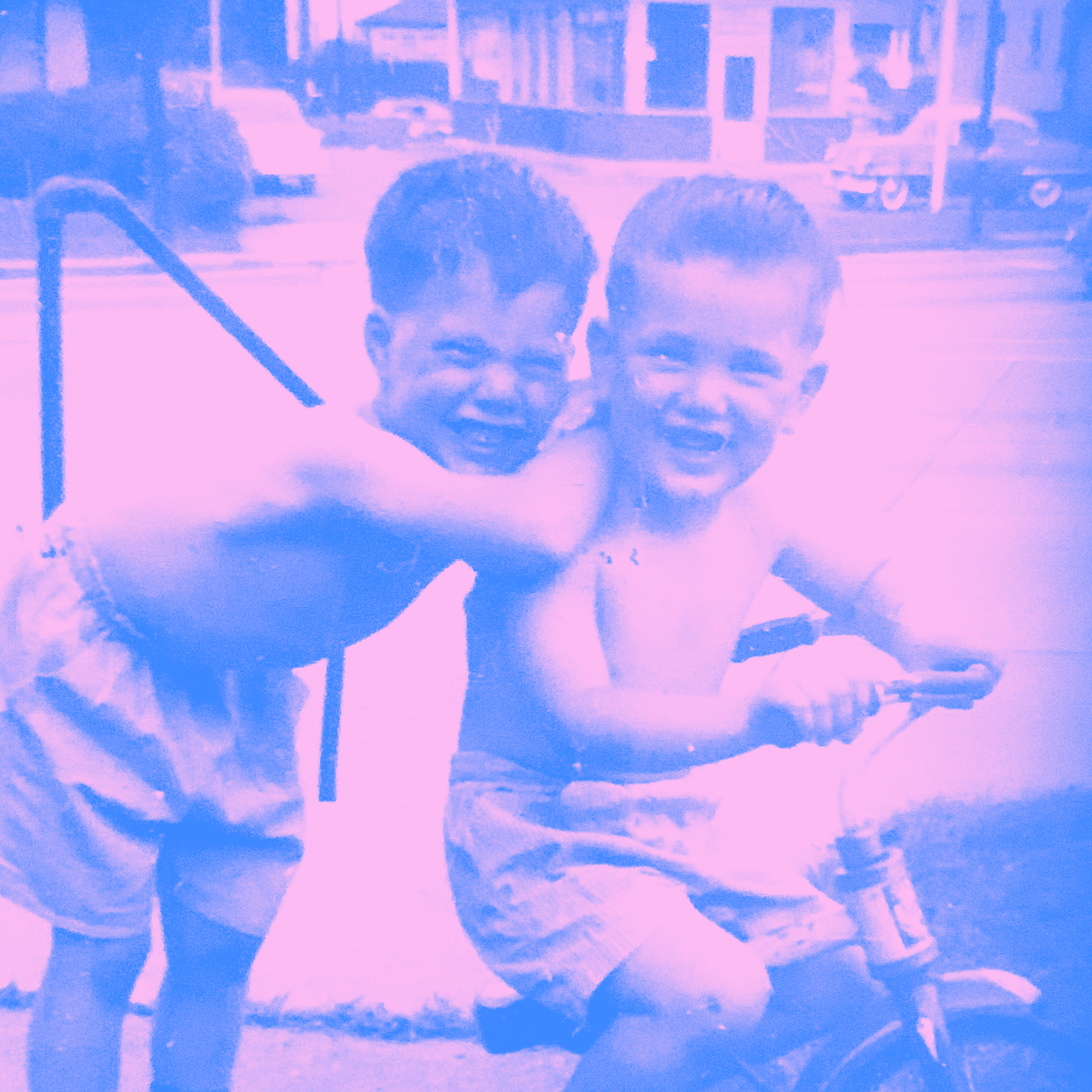
And so deep inside of the heart of that child is this brokenness in the area of identity and belonging. "Who am I? Who really am I? I don't look at my mom's face and see myself. I don't look at my dad's face and see myself. I'm not part of that extended history of that family that somehow, I'm carrying on. I'm not part of any of that. Who am I and where do I belong? Do I really belong in this family, this family that has all of this stuff that I will never have, that I will never share?"
Now, that identity and belonging is very hard for the adopted child to communicate to parents because it can come across as if they're being unthankful. Parents, you've got to open those topics up for your child. You have to be ready for identity and belonging discussions and problems to arise.
One of the sweetest things that God says to us is, "In my Father's house are many mansions. I go to prepare a place for you." There is a deep human longing to have a place that's mine that I know is mine and that longing is attacked in adoption, and you've got to be aware that there will be those identity and belonging struggles even though you've been faithful in grace and faithful in love.