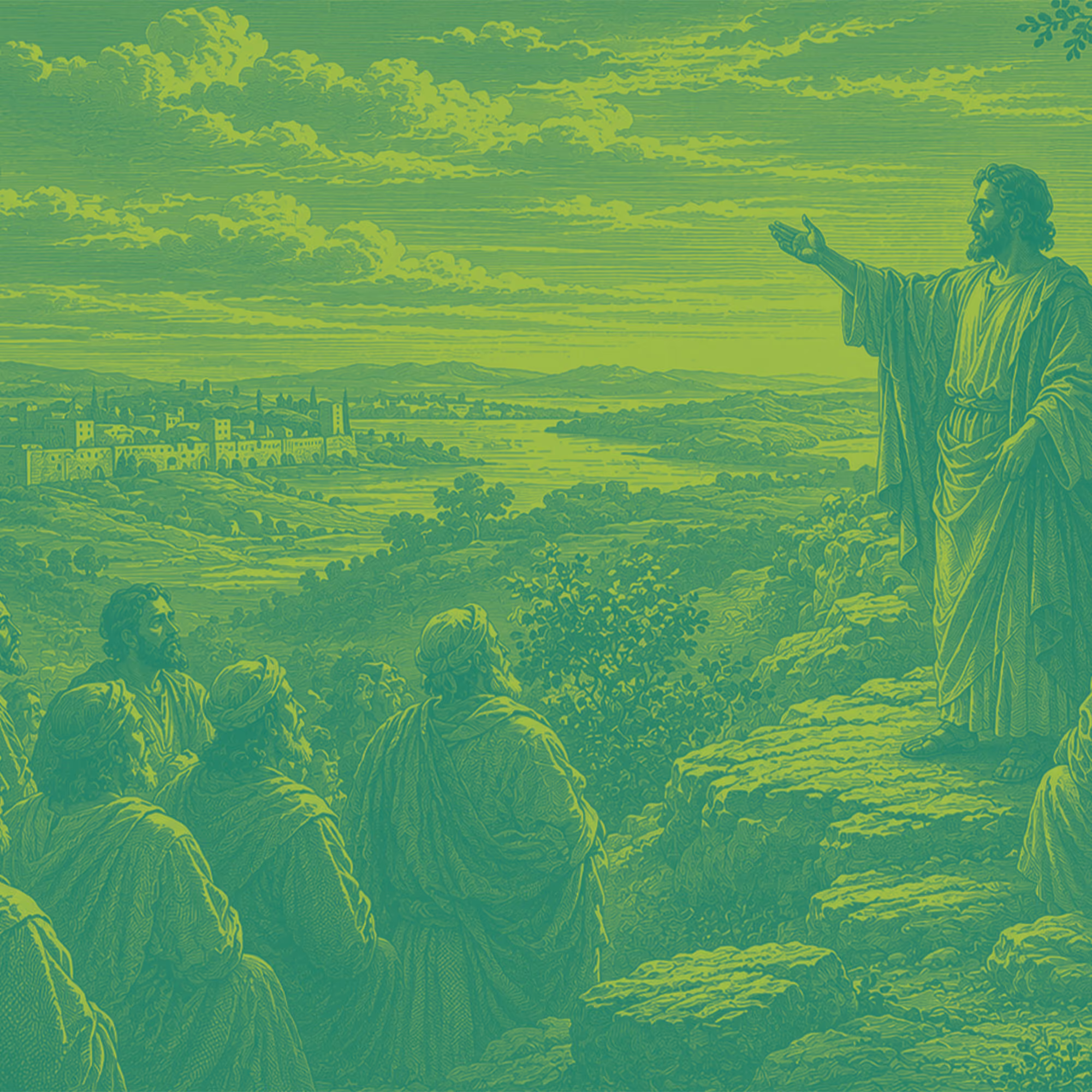
This is Acts 2:42-47:
42 And they devoted themselves to the apostles' teaching and the fellowship, to the breaking of bread and the prayers. 43 And awe came upon every soul, and many wonders and signs were being done through the apostles. 44 And all who believed were together and had all things in common. 45 And they were selling their possessions and belongings and distributing the proceeds to all, as any had need. 46 And day by day, attending the temple together and breaking bread in their homes, they received their food with glad and generous hearts, 47 praising God and having favor with all the people. And the Lord added to their number day by day those who were being saved.
Well, we now get to see and witness a third thing. We've witnessed the gift of the Spirit; we've witnessed the first sermon by a disciple; now we get a window into the fellowship of these new believers of this young church.
Now I have to say that I think much of what we call fellowship just isn't fellowship at all. You know the quick, "Hi, how are you? How was your week?" kind of greeting in the aisle of a church on Sunday isn't what biblical fellowship is. It's the same thing we do at the local store or the pub. Maybe we should just call it "pub-ish-ip." We're having good "pub-ish-ip" because it is not really fellowship.
And so, this passage alerts us to six elements of the shared life of the followers of Jesus. First, the fellowship was rooted in the gospel teaching of the Apostles. The truth of Scripture was the anchor of this fellowship. We see that in Peter, going immediately to Joel for his sermon. That's the first thing.
The fellowship included a life of mutual generosity. These people were willing to share all that they had so that everyone could live with some degree of well-being.
Their fellowship included the breaking of bread, that's important. This probably included not just the Lord's Supper, but shared meals together. There's something about sitting with your feet under a table with somebody else and having a meal together that is bonding and beautiful.
The fourth element was that one of the central elements was prayer. Let me specify. So often our prayer times are before something or after something. These were extended times of prayer together.
The fifth element was "attending the temple together." That was the more formal religious part of their fellowship.
And then the sixth thing, it said they gathered "praising God." A central element was worship together. Think about this: most of our fellowship isn't like this; most of our fellowship is event-oriented, an occasional event that brings us together. We don't really, most of us, have life together with other believers. But this fellowship was a central characteristic of life in the early church. It wasn't fellowship as an event; it was fellowship as a lifestyle. They really were a community of faith in the truest sense of what that means.
I would just ask you, "Outside of your home, are there brothers and sisters in the faith that really do know you? Are there people with whom you intentionally share life? Do you have any kind of life of shared generosity with fellow believers?" You see, it's not about repeating the pattern of the early church exactly, but it is about recognizing that, by God's design, your life of faith is a community project. God grows you. God rescues you. God meets your needs through the community of which he has called you to be part!
Questions for Personal Reflection or Group Discussion
1. Why do you think it's so important to stress the community aspect of the Christian life? In what ways do you think the community aspect of your Christian life is flourishing? In what ways is it currently floundering? What needs to change to see those floundering areas turn around and flourish?
2. Outside of your immediate home, who are the brothers and sisters in the faith who really know you, care about you, and dig into your life beyond the surface level? Who are the people you have committed to knowing well in your local church? How often do you engage with that person or those people?
3. In the past, what has it looked like for you to have a life of shared generosity with fellow believers? What needs to change for you to see a more thriving life of shared generosity alongside other believers? How do you think your shared generosity could impact others in your church, community, neighborhood, town, city, etc.?
4. Ask the Holy Spirit to give you a specific heart and plan to be a part of the solution when it comes to sharing generously with others. Ask your trusted friends and church family to join you in sharing generously with others and make a specific plan to see that generosity through.
Conversation Prompts to Use with Children
For Younger Children:
- Why do you think God gives us friends? Why are friends so important for us to have?
- Why do you think Christian friends are such an important part of what it really means to be a follower of Jesus?
- What do Christian friends provide for us that we'd never be able to have on our own without them?
For Older Children:
- Why do you think it's dangerous to live a Christian life all alone without other Christians? Why do you think so many people fall into the trap of "solo Christianity"?
- Who are the people in your life who love Jesus and encourage you to love Jesus? Why are those people just as much a part of your Christian life as your regular time in the Bible, personal prayer, journaling, and devotional reading?
- Who are you meeting with and encouraging to walk with God? Who is currently meeting with you and pouring into your Christian life? How can I help you in this area?